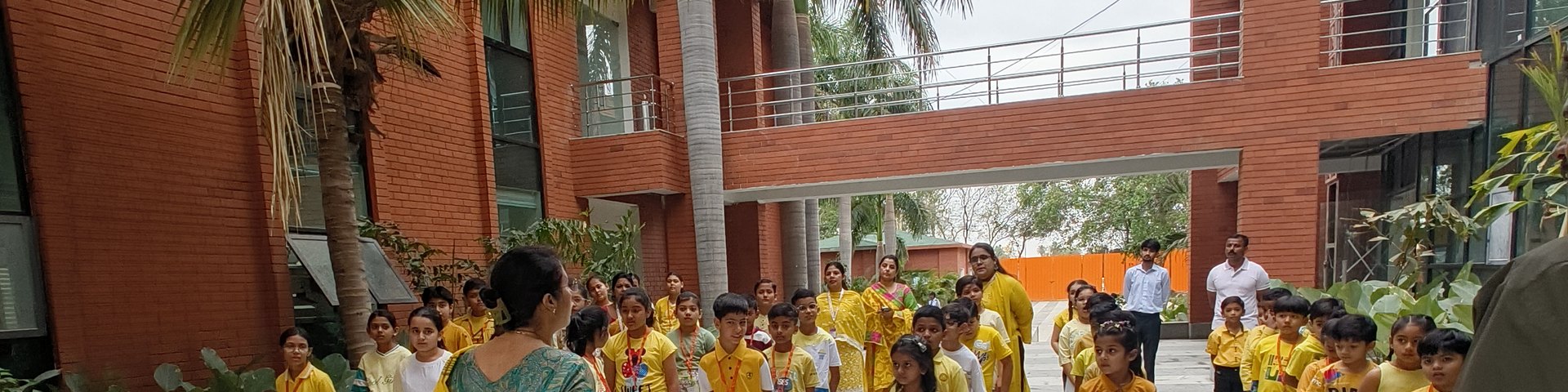

At Birla Open Minds International School (BOMIS), we believe learning should feel like an adventure, not a burden. Our curriculum is rooted in neuroscientific research and brain-compatible learning, and shaped by the theory of Multiple Intelligences and the National Curricular Framework, so every lesson sparks joyful learning and truly makes sense to your child.
We move away from rote learning and establish a real-life connect with information, nurturing inquiry, critical thinking and problem-solving while integrating essential life skills. The result is a resilient, confident global citizen: academically strong, emotionally balanced and prepared for a successful life beyond school.
At Birla Open Minds International School, Bhopal, the academic structure is thoughtfully designed to nurture curiosity, build strong foundational skills and prepare students for real-world challenges. Each stage, from early years to senior school, is structured to support age-appropriate growth, encourage inquiry and promote holistic development. With well-defined learning milestones, modern teaching methodologies and continuous assessment practices, we ensure that every child receives a balanced, engaging and future-ready education.
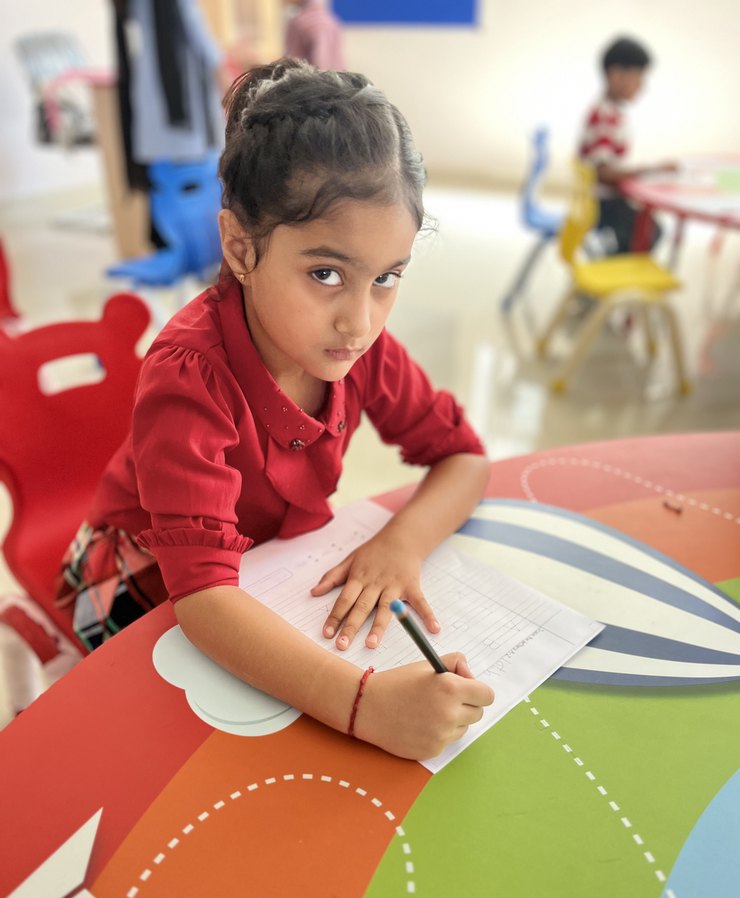
Pre-Nursery to Kindergarten 2
A thematic curriculum drawn from neuroscientific research, built on developmental appropriateness, brain-compatible learning and the theory of Multiple Intelligences.
Focus areas: language and early literacy · early numeracy · sensorial and motor development · creative expression · social and emotional learning · environmental awareness.
Assessment: observation-based, recorded in individual portfolios. No written examinations.
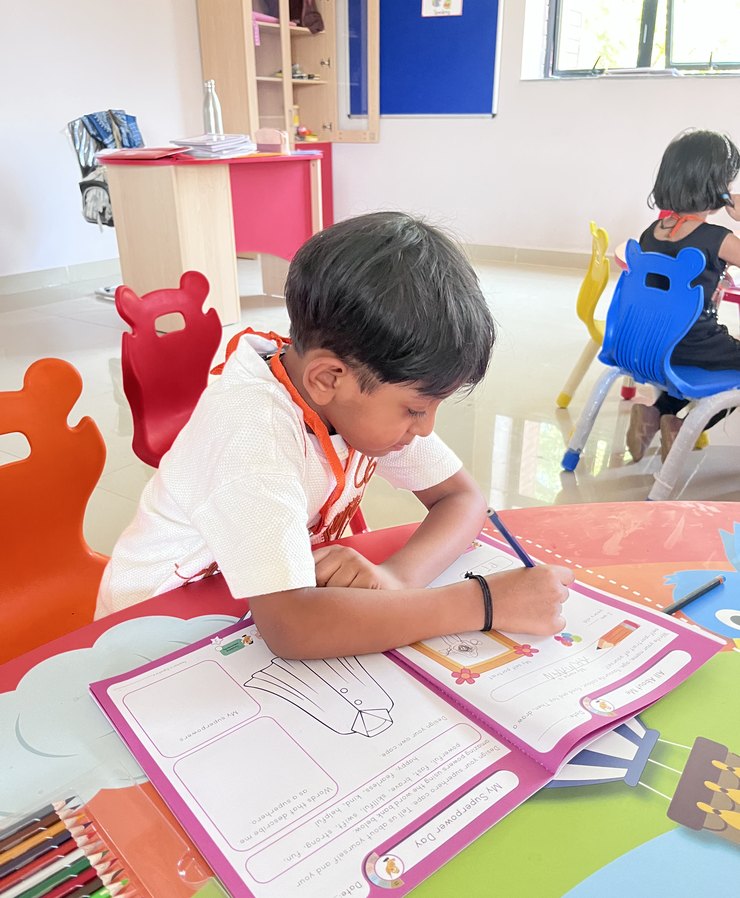
Grades 1 to 4
The Primary Years Curriculum, delivered through six integrated themes of 4–6 weeks each, with Filler Weeks and Subject Weeks for focused skill development. A thematic and integrated approach draws concepts, processes and ways of thinking from diverse disciplines.
Scholastic: English Language Arts · Hindi · Third Language · Environmental Studies · Mathematics · Information and Communication Technology · Soul Science · Financial Literacy.
Co-scholastic: Performing Arts (Dance, Music and Theatre) · Visual Arts · SPEED: Physical Education, Yoga and Sports.
Assessment: Theme End and Term End Assessments, detailed report books and documented work portfolios.
Grades 5 to 8
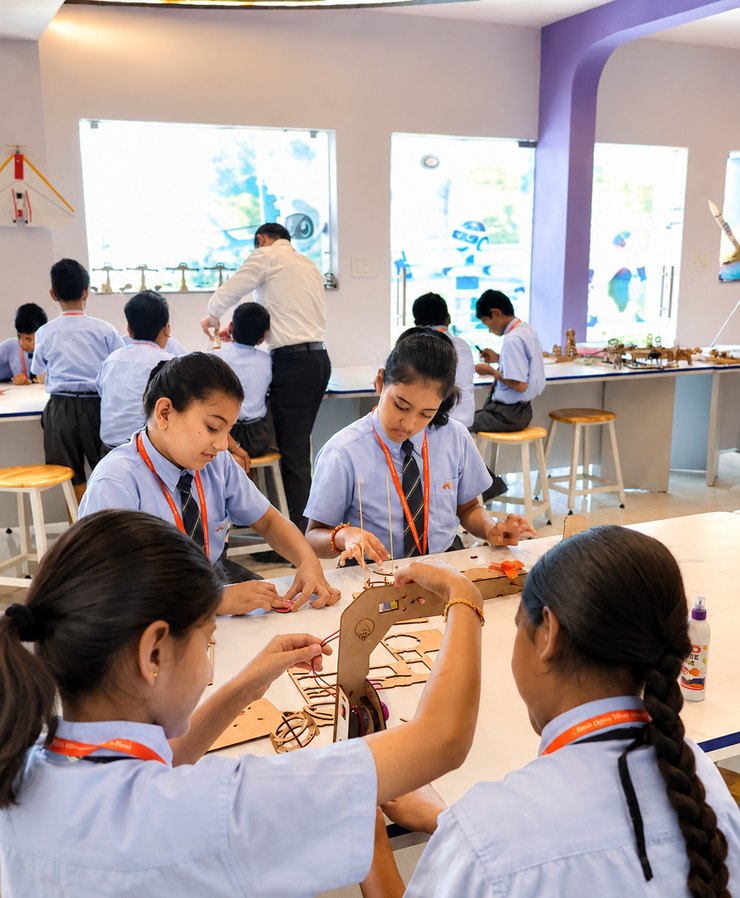
A shift from rote methods to a course beyond textbooks. We soften subject boundaries and connect knowledge to life outside the school, encouraging students to think differently, analyse and evaluate independently.
Scholastic: English · Hindi · Third Language · Mathematics · Science (Physics, Chemistry, Biology) · Social Science (History, Geography, Civics) · ICT · Soul Science · Financial Literacy.
Co-scholastic: Performing and Visual Arts · SPEED · Aerobay STEAM modules.
Assessment: formative and summative, combining role play, practical work, presentations and projects with written assessments.
Grades 9 to 12 · Commencing academic session 2027–28
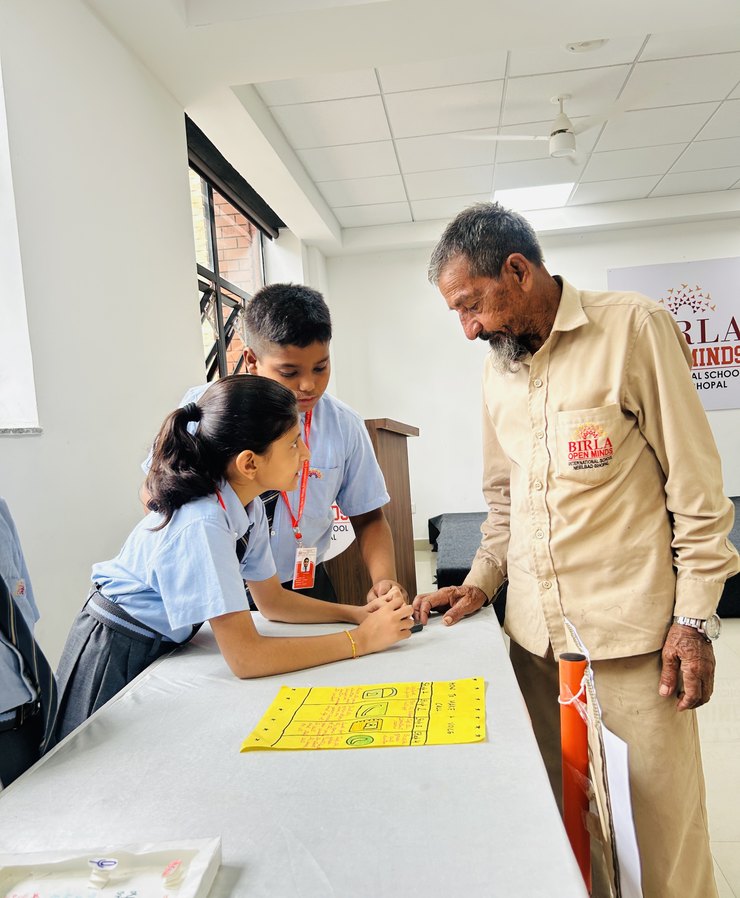
Experiential and student-centric methodologies prepare students for the senior school examinations and for what follows them. Streams at Grades 11 and 12 will include Science and Commerce.
Assessment: Continuous internal assessment, supported by continuous internal assessment, career counselling and university guidance.
In Grades 1 to 4, the year is built around six integrated themes, each running four to six weeks. Within a theme, a single question is pursued through language, mathematics, science, art and movement, so a child does not learn six separate subjects, they learn one world six ways.
Between themes, Filler Weeks and Subject Weeks give focused time to specific skills. Learning is multimedia-enabled, with theme-based classroom modules and both in-class and off-class activities, and 21st Century skills are integrated throughout.
Assessment at Birla Open Minds is an ongoing process, not an event. Theme End and Term End Assessments give timely feedback on the degree of achievement, designed to encourage and inspire a student to further his or her knowledge, rather than to categorise his or her competence.
Progress is recorded in detailed report books and documented work portfolios, so parents see how a child is growing and not only where they ranked.
Affiliation, recognition, safety certificates, staff details, infrastructure and fee structure, published in the prescribed format.